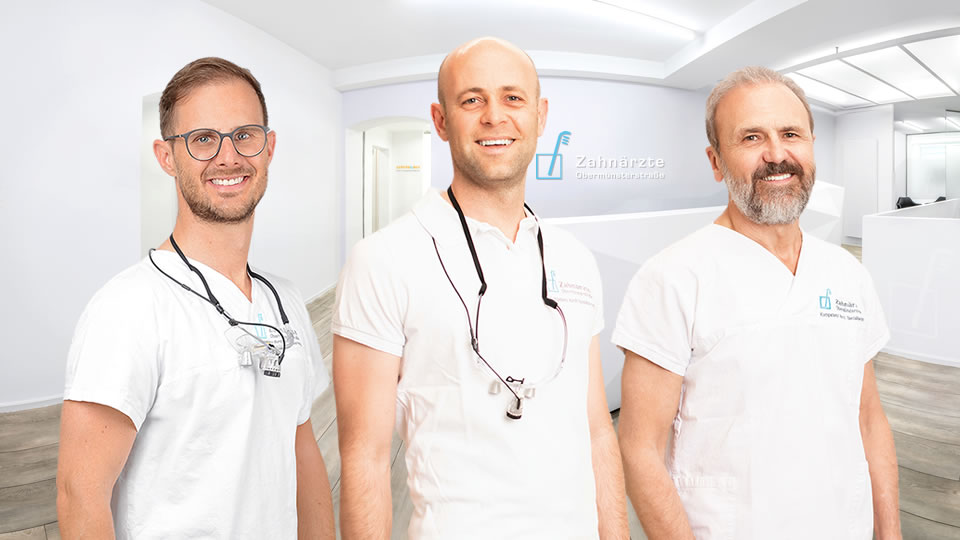




Preserving teeth and supporting function with Dr. Michael Blank
Dr. Michael Blank established the foundations of today's Zahnärzte Obermünsterstraße group practice in Regensburg in 1985. His areas of work include microscopic endodontics, aesthetic dentistry, prosthodontics and the treatment of functional jaw disorders, also referred to as CMD. He holds DGET certification in endodontology and is a member of DGÄZ, DGET, DGZMK and DGI. Continuing education in prosthodontics and functional analysis forms part of his professional work.When a tooth hurts or has extensive damage, identifying the cause comes first. Sensitivity does not always mean that root canal treatment is needed. Equally, a problem inside a tooth may sometimes cause only mild symptoms. An examination provides a more reliable basis for a decision than a single symptom, an online description or a photograph.
When root canal treatment may help
Assessing whether a tooth can be retained
If the tissue inside a tooth becomes inflamed or infected, root canal treatment may allow the tooth to be retained. The procedure involves cleaning, disinfecting and filling the root canals. Before deciding on treatment, the dentist considers the remaining tooth tissue, possible cracks, the supporting tissues and whether a suitable restoration can be placed afterwards.An operating microscope provides magnification and illumination when working with small structures. However, the outlook for a tooth depends on more than equipment. Ask whether the tooth can be restored and which alternatives deserve consideration. A previously root-treated tooth may also need further assessment if pain returns or signs of inflammation develop. The next step depends on the cause and the condition of the tooth.
Protecting the tooth afterwards
A root filling is often only part of the overall treatment. A sound seal and an appropriate restoration help protect the tooth from further bacterial contamination and mechanical damage. The choice depends on the defect and the forces acting on the tooth. A partial crown or crown is not required in every case, although it may be considered when substantial tooth tissue has been lost.The appearance of a restoration is considered alongside function and preservation. Colour and shape matter, as do accessible cleaning areas and the way the restoration meets opposing teeth. Ask which steps are clinically necessary and which are optional changes made for appearance. This helps you compare the proposed treatments and understand their costs.
Assessing jaw symptoms carefully
Pain when chewing, tense jaw muscles or difficulty opening the mouth may warrant an assessment of jaw function. These symptoms can have different causes. A joint noise on its own does not necessarily require extensive treatment. Depending on the findings, initial options may include gentle measures, exercises or a splint. Permanent changes to healthy teeth need a clear individual justification.Before your appointment, note when symptoms occur, what makes them worse and which treatments you have already had. Severe pain, increasing swelling or fever needs prompt dental assessment; difficulty breathing or swallowing requires immediate medical help. Arrange a personal consultation with Dr. Blank to discuss tooth preservation, restoration options, follow-up care and the questions that matter to you.